
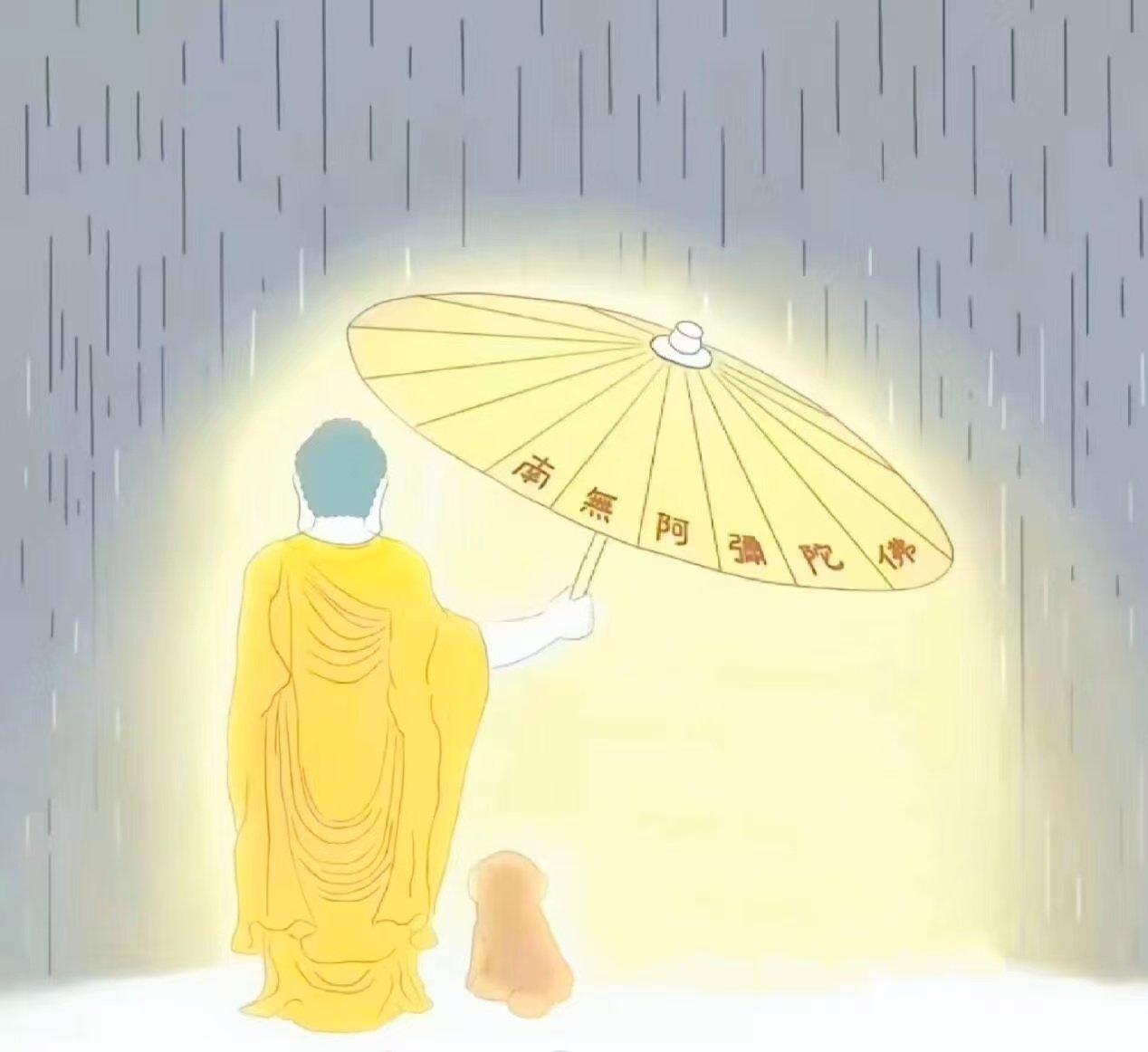
Chronicles of Life: Why Do We Need Farewell Ceremonies for Pets? A Psychological and Cultural Interpretation
When words fail us, rituals allow us to mourn, remember, and then continue loving.
Introduction: The Unspoken “Major Loss”
Sociological research reveals that the depth of grief caused by a pet’s passing often rivals that of losing a human family member. Yet this grief remains largely “silent” in social contexts—no formal bereavement leave, no universally recognized mourning rituals. This “unacknowledged loss” traps sorrow within us, leaving it nowhere to settle. A meaningful farewell ceremony serves as the key to breaking this silence and initiating healing.
Chapter 1: The Psychological Perspective—Ritual as the “Process” of Grief
Psychologists have identified three key functions of ritualized behavior in coping with loss:
1. Restoring a Sense of Control: Death brings profound helplessness. Actively planning a ritual—choosing the location, items, and sequence—helps us regain partial control over our emotions, countering that helplessness.
2. Achieving Cognitive Separation: While “cremation-burial” addresses the physical, rituals handle the psychological. They serve as a clear demarcation line, helping us cognitively transition from “they are still here” to “they have passed,” accepting reality.
3. Transforming Emotional Bonds: Rituals provide a safe container, allowing us to freely express grief, love, and guilt. After tears and vows are poured out here, emotional bonds transform from “physical companionship” into “inner memories and strength.”
Chapter 2: A Cultural Anthropological Perspective—We Are All “Ritual Animals”
Throughout human civilization, farewell rituals have never been absent.
· Ancient Egypt: People mummified beloved cats, burying them with mice and milk to ensure sustenance in the afterlife.
· Japan: Dedicated pet cemeteries (ペット霊園) hold memorial services where owners write messages to their pets on bamboo slips.
· Shared Core: These rituals accomplish two things: granting the deceased an “afterlife identity” (soothing the soul) and giving the living “social permission” (to grieve and then move forward).
Chapter Three: Modern Dilemmas and Oracles’ Solutions—Translating Speechless Love
In modern society, traditional community support networks have dissolved, often leaving us to face grief alone. Oracles provide a modern, private, and respectful ritual “grammar” for this purpose.
· Customized Urns and Inscriptions: More than mere containers, these bestow a final, honored identity—“Beloved Family Member of This Lifetime.”
· Farewell Ceremony Guide: Offers step-by-step suggestions (e.g., lighting a candle, playing their favorite music, sharing a story), giving direction to emotions that might otherwise feel overwhelming.
· Memorial Puzzles or Holographic Portraits: Transform sorrowful contemplation into focused creative expression and dynamic remembrance, sustaining connection through new, positive forms.
Rituals do not bid farewell to love; they transform its form of existence. They remind us: love does not cease with death—it merely requires a new place to reside.
Conclusion: Crown Your Love
Holding a farewell ceremony for a pet is not sentimentalism, but a profound psychological and emotional necessity. It is the ultimate affirmation and crowning of our sincere affection. Through this solemn act, we acknowledge their life and our own grief. Only then can we retrieve that undiminished love from the departed, enshrine it within our hearts, and carry on with the strength it grants us.
Oracles believes that every heartfelt farewell is the highest tribute to life and love.
